
The humble tiffin box—once a simple metal container—has evolved into a lifestyle choice. Whether you are a professional packing a healthy office lunch, a parent preparing a school meal, or an outdoor enthusiast, the material of your lunchbox dictates how fresh, safe, and warm your food stays.
If you are wondering, “what is the best material for a tiffin box?” the answer depends on your priorities: heat retention, durability, or microwave convenience.
1. Stainless Steel: The Timeless Champion
For decades, stainless steel has been the gold standard for tiffin boxes, and for good reason. It is the most durable and eco-friendly option available.
-
Pros: Non-toxic, BPA-free, and incredibly durable. It does not retain odors or stains from heavy spices like turmeric.
-
Cons: Not microwave-safe (unless specifically designed with “shielded” tech) and can be heavy.
-
Best For: Everyday use, sustainability, and keeping food cold (when double-walled).
Pro Tip: Look for 304 Grade (18/8) Stainless Steel, which is food-grade and highly resistant to corrosion.
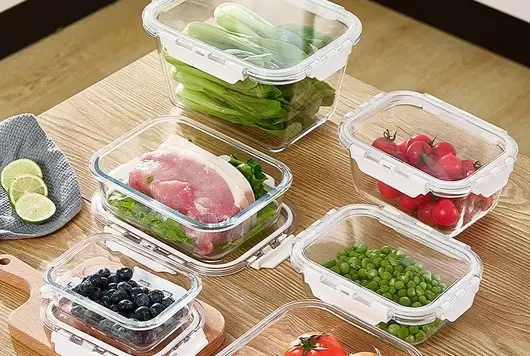
2. Glass: The Health Conscious Choice
As people move away from plastics, borosilicate glass has surged in popularity. It offers a premium feel and ensures that your food never touches synthetic chemicals.
-
Pros: 100% non-reactive, transparent (you can see your meal), and microwave/oven-safe.
-
Cons: Fragile and heavy. Even tempered glass can shatter if dropped on a hard office floor.
-
Best For: Office workers with access to a microwave and those who prioritize chemical-free eating.
3. Insulated (Vacuum) Steel: The Temperature King
If you don’t have access to a microwave and hate cold pasta, insulated tiffin boxes are the ultimate solution. These use double-wall vacuum technology to trap heat.
-
Pros: Can keep food hot for up to 6–12 hours. They are leak-proof and prevent condensation on the outside.
-
Cons: More expensive and usually bulkier than single-wall containers.
-
Best For: Long commutes, school children, and outdoor trips.
4. Food-Grade Plastic: The Lightweight Alternative
While plastic has a bad reputation, high-quality, BPA-free, food-grade plastic remains a practical choice for many.
-
Pros: Lightweight, affordable, and comes in various shapes/sizes.
-
Cons: Can leach chemicals if scratched or overheated; often retains food smells and oil stains over time.
-
Best For: Occasional use or for dry snacks where weight is a primary concern.
Material Comparison at a Glance
| Material | Heat Retention | Durability | Microwave Safe | Eco-Friendliness |
| Stainless Steel | Moderate | High | No | Excellent |
| Glass | Low | Low | Yes | High |
| Insulated Steel | Very High | High | No | High |
| BPA-Free Plastic | Low | Moderate | Yes (Check Label) | Low |
Key Features to Look For
Regardless of the material you choose, ensure your tiffin box includes:
-
Silicone Seals: To prevent messy leaks in your bag.
-
Locking Clips: To ensure the lid stays secure during transit.
-
Ventilation Valves: Especially for glass or plastic, to let steam escape during microwaving.
The Verdict: Which should you choose?
The “best” material is ultimately Stainless Steel. It offers the best longevity and health safety. However, if you frequently reheat your meals, Borosilicate Glass is your best friend. For those who want their home-cooked meal to feel “fresh off the stove” at lunchtime, invest in a Vacuum Insulated tiffin.
By choosing the right material, you aren’t just buying a container; you are investing in your health and reducing single-use plastic waste.
Post time: 12-18-2025