
Airtight containers play a critical role in food storage, household organization, and long-term preservation. Whether you are storing dry foods, leftovers, or sensitive items that must be protected from moisture and air exposure, understanding what containers are considered airtight can help you make better choices. This article explains what defines an airtight container, the common types available, and how to choose the right one for your needs.
What Does “Airtight” Really Mean?
An airtight container is designed to prevent the exchange of air between the inside of the container and the outside environment. When sealed correctly, it minimizes oxygen, moisture, and odor transfer. This is especially important for preserving food freshness, preventing mold growth, and protecting items from humidity or pests.
However, not all containers marketed as “airtight” perform equally. True airtight containers rely on precise lid design, sealing materials, and locking mechanisms to create an effective barrier.
Key Features of Airtight Containers
To be considered truly airtight, a container should include the following features:
-
Silicone or rubber gasket: A flexible gasket around the lid creates a tight seal when the lid is closed.
-
Secure locking mechanism: Snap locks, clamp-style closures, or screw-top lids apply even pressure around the seal.
-
Rigid container walls: Sturdy materials help maintain seal integrity over time.
-
Precision-fit lid: A well-fitted lid prevents gaps that could allow air to enter.
Without these components, a container may be spill-resistant or moisture-resistant but not fully airtight.
Types of Containers Considered Airtight
1. Plastic Airtight Containers
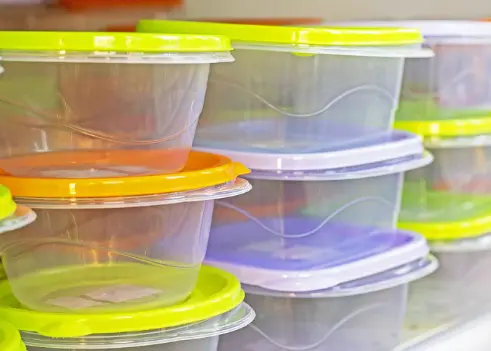
High-quality plastic containers with snap-lock lids and silicone gaskets are among the most common airtight options. These are popular for dry goods like rice, flour, cereal, and snacks. BPA-free plastic is recommended for food safety. When properly sealed, these containers effectively block air and moisture.
2. Glass Containers with Locking Lids
Glass containers with clamp-style lids and rubber seals are considered some of the best airtight containers. They do not absorb odors, are easy to clean, and maintain airtight performance for years. They are ideal for food storage, leftovers, and meal prep, although they are heavier and more breakable than plastic.
3. Stainless Steel Containers with Seals
Stainless steel containers equipped with silicone gaskets can also be airtight. They are commonly used for lunch boxes, dry food storage, and specialty applications. While durable and non-reactive, they usually do not allow you to see contents at a glance.
4. Vacuum-Sealed Containers
Vacuum-sealed containers remove most of the air before sealing, making them the most airtight option available. These are widely used for long-term food storage, sous-vide cooking, and pantry organization. Because oxygen is reduced, food stays fresh longer than in standard airtight containers.
5. Screw-Top Jars
Glass jars with threaded screw-top lids, such as mason jars, can be airtight when the lid is intact and tightly closed. They are often used for preserving dry goods, spices, and homemade foods. Over time, worn lids may reduce their effectiveness, so regular inspection is important.
Containers That Are Not Truly Airtight
Not all storage containers qualify as airtight. Containers with loose-fitting lids, flip-top covers without gaskets, or simple press-on lids may reduce spills but still allow air exchange. These are better described as “air-resistant” rather than airtight and are not suitable for long-term storage.
How to Check If a Container Is Airtight
A simple way to test a container is to seal it and gently squeeze the sides (if plastic). If air escapes, the seal is not airtight. For liquids, filling the container with water and turning it upside down can reveal leaks, although this tests watertightness rather than air resistance.
Final Thoughts
Containers considered airtight are those that use secure lids, durable materials, and sealing gaskets to prevent air and moisture from entering. Plastic containers with locking lids, glass containers with rubber seals, stainless steel containers with gaskets, and vacuum-sealed options all qualify as airtight when properly maintained.
Choosing the right airtight container helps preserve food quality, reduce waste, and protect stored items. By understanding the features that truly define airtight storage, you can make informed decisions that meet your household and storage needs.
Post time: 12-26-2025