
Plastic stools are widely used in homes, offices, schools, outdoor spaces, and commercial environments due to their affordability, lightweight design, and versatility. A common question among buyers is: how long do plastic stools last? The answer depends on several factors, including material quality, usage conditions, load capacity, and maintenance. Understanding these factors can help you choose a stool that offers the best value and durability.
Average Lifespan of Plastic Stools
On average, a good-quality plastic stool can last 3 to 10 years. Lower-cost stools made from thin or recycled plastic may last only a few years, especially under heavy or frequent use. In contrast, high-quality plastic stools manufactured from durable polymers such as polypropylene (PP) or high-density polyethylene (HDPE) can last much longer, even with daily use.
Commercial-grade plastic stools, which are designed for cafes, schools, or outdoor events, often have reinforced structures and UV-resistant materials, extending their lifespan closer to the upper end of that range.
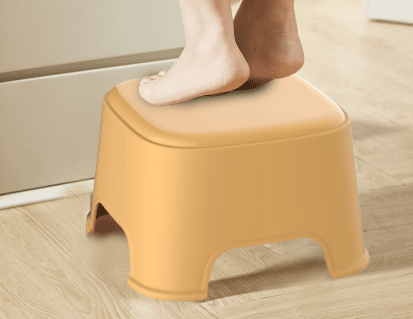
Factors That Affect the Lifespan of Plastic Stools
1. Material Quality
The type of plastic used plays a major role in durability. Polypropylene and HDPE are known for their strength, flexibility, and resistance to cracking. Cheaper plastics may become brittle over time, especially when exposed to heat or sunlight.
2. Weight Capacity and Usage
Every plastic stool has a maximum weight rating. Repeatedly exceeding this limit can cause stress fractures, warping, or sudden breakage. When used within recommended limits, plastic stools maintain their structural integrity far longer.
3. Indoor vs Outdoor Use
Plastic stools used indoors generally last longer than those used outdoors. Exposure to sunlight, rain, and temperature changes can accelerate aging. UV rays, in particular, cause plastic to fade, weaken, and become brittle over time. UV-stabilized plastic stools are better suited for outdoor environments and can last several years longer.
4. Frequency of Use
A plastic stool used occasionally in a home setting will naturally last longer than one used daily in a busy commercial space. High-traffic environments place constant stress on joints and legs, reducing lifespan if the stool is not designed for heavy use.
5. Manufacturing Design
Well-designed plastic stools feature reinforced legs, thicker walls, and anti-slip bases. Stackable stools made with proper molding techniques tend to maintain their shape better over time compared to poorly molded designs.
Signs a Plastic Stool Needs Replacing
Knowing when to replace a plastic stool is important for safety. Common signs include:
-
Visible cracks or splits in the legs or seat
-
Excessive bending or wobbling
-
Rough or sharp edges caused by plastic degradation
-
Discoloration combined with brittleness
Once a stool shows structural damage, it should be replaced immediately to prevent accidents.
How to Extend the Life of Plastic Stools
Proper care can significantly extend the lifespan of plastic stools:
-
Avoid prolonged sun exposure when not in use
-
Clean regularly to prevent dirt buildup and chemical damage
-
Store indoors or under cover when used outdoors
-
Use within weight limits specified by the manufacturer
-
Avoid dragging stools across rough surfaces
These simple steps can add years to the useful life of a plastic stool.
Are Plastic Stools Durable Enough?
While plastic stools may not last as long as metal or solid wood alternatives, modern manufacturing has greatly improved their durability. For everyday seating, temporary use, or environments where lightweight furniture is preferred, plastic stools offer an excellent balance of cost, convenience, and longevity.
Conclusion
So, how long do plastic stools last? In most cases, anywhere from 3 to 10 years, depending on quality, usage, and care. High-quality plastic stools used correctly and maintained properly can serve reliably for many years. By choosing durable materials and using them as intended, plastic stools remain a practical and long-lasting seating solution for both residential and commercial settings.
Post time: 01-09-2026